Our Team


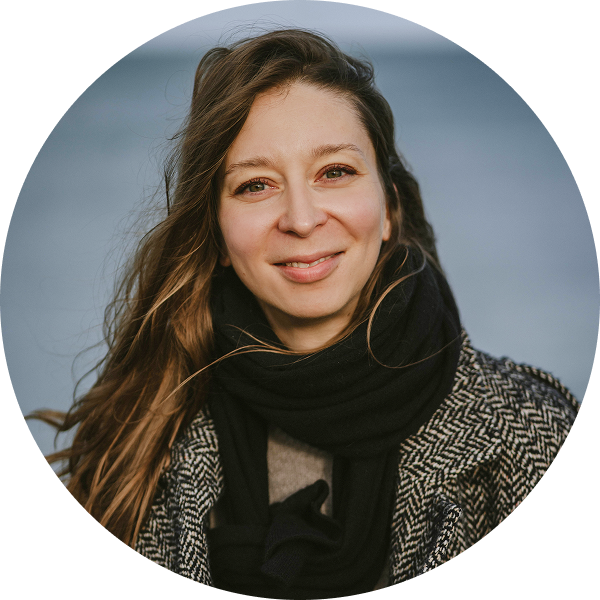


Founder’s Story: Ulvi Kasimov on Building .ART

At the Pushkin Museum director’s office during an event sponsored by .ART
Ulvi Kasimov, named one of Observer’s Top 50 Most Influential Leaders in the Art World, founded .ART in 2016 through his London-based company UK Creative Ideas.
.ART was launched as the world’s only top-level domain created specifically for artists, cultural institutions, and those who live and work in the arts. From the beginning, the goal was to give the global art community a digital space that reflects its values—authorship, context, and cultural continuity—rather than treating art as just another content category online.
“The idea of the .ART domain was built on belief—belief in culture, belief in people, and belief that long-term value matters more than short-term gain.”
Today, .ART is used by more than 300,000 creatives, museums, galleries, foundations, and businesses across 170+ countries, forming one of the largest digital ecosystems dedicated to culture.
Why .ART Exists
The art world depends on attribution, provenance, and trust—yet much of this information is easily lost online.
To address this, .ART became the first domain zone in internet history to receive ICANN approval to extend WHOIS™ information fields beyond standard technical data. These extended fields allow domain holders to include artwork identification criteria based on standards established by the International Council of Museums (ICOM) and endorsed by Interpol and other authoritative bodies.
“Art needs context to survive. If we lose authorship, provenance, and cultural memory online, we lose more than data—we lose meaning.”
This innovation positioned .ART not just as a naming system, but as a long-term cultural infrastructure, helping artists and institutions link digital identity with authorship, collections, and historical record.


The Point of No Return
Every project reaches a moment when commitment becomes irreversible.
For .ART, that moment came in July 2015, during the ICANN auction that would determine who would operate the .ART domain. Nine applicants competed for the registry. Two days before the auction, all external co-investors withdrew, judging the venture too risky.
“Two days before the auction, I was left alone with strong competitors and no clear source of funding. It was a true point of no return.”
After two sleepless nights, the decision came not from a boardroom, but from home.
“My family believed in the project more than my partners did. That was the most instructive moment of my life.”
Ulvi proceeded independently, financing the auction and the early years of the registry with family funds. The auction was won, and .ART moved forward without venture capital or outside control—a structure that continues to define its long-term strategy.


Building Without Shortcuts
Since launch, .ART has grown steadily, prioritizing durability over rapid scale. The registry has introduced multiple industry firsts, received patent recognition for its technical innovations, and built long-term partnerships across the global art and domain communities.
“Looking back, I can say that .ART was built slowly, carefully, and with responsibility. In a way, every domain has been sponsored.”
Many .ART adopters are active collaborators—shaping partnerships, editorial initiatives, and programs that reflect the evolving needs of artists and cultural institutions worldwide.
Art as a Public Good
Philanthropy and the Healing Power of Art
From the outset, .ART was conceived as more than a commercial registry. It operates alongside the Kasimov family’s broader philanthropic efforts supporting education, healthcare, and culture.
A central focus is the Healing Power of Art Initiative—a long-term program supporting artists, art therapists, and cultural organizations working with trauma recovery, mental health, and social wellbeing. Through grants, partnerships, editorial visibility, and free digital tools, the initiative advances the idea of art as an essential resource for care, resilience, and human connection.
“Our goal is simple: to leave the world more humane and more fair than we found it—because it is our children who will live in it.”
In parallel, the family continues to support hospitals, schools, museums, educational institutions, and independent publishing projects—often privately and without public attribution.

You can connect with Ulvi Kasimov on LinkedIn.